Why Is My Fire Extinguisher Emptied After One Use?
It often surprises people when they use a fire extinguisher for just a few seconds, only to realise it’s no longer reliable afterwards. The truth is, most fire extinguishers are not designed for repeated use once activated. Even if there’s still some agent left inside, the pressure that pushes it out drops quickly after discharge. Without that pressure, the extinguisher may not work properly the next time you need it. That’s why experts always recommend refilling or replacing it immediately after use to maintain proper fire protection and avoid taking unnecessary risks.
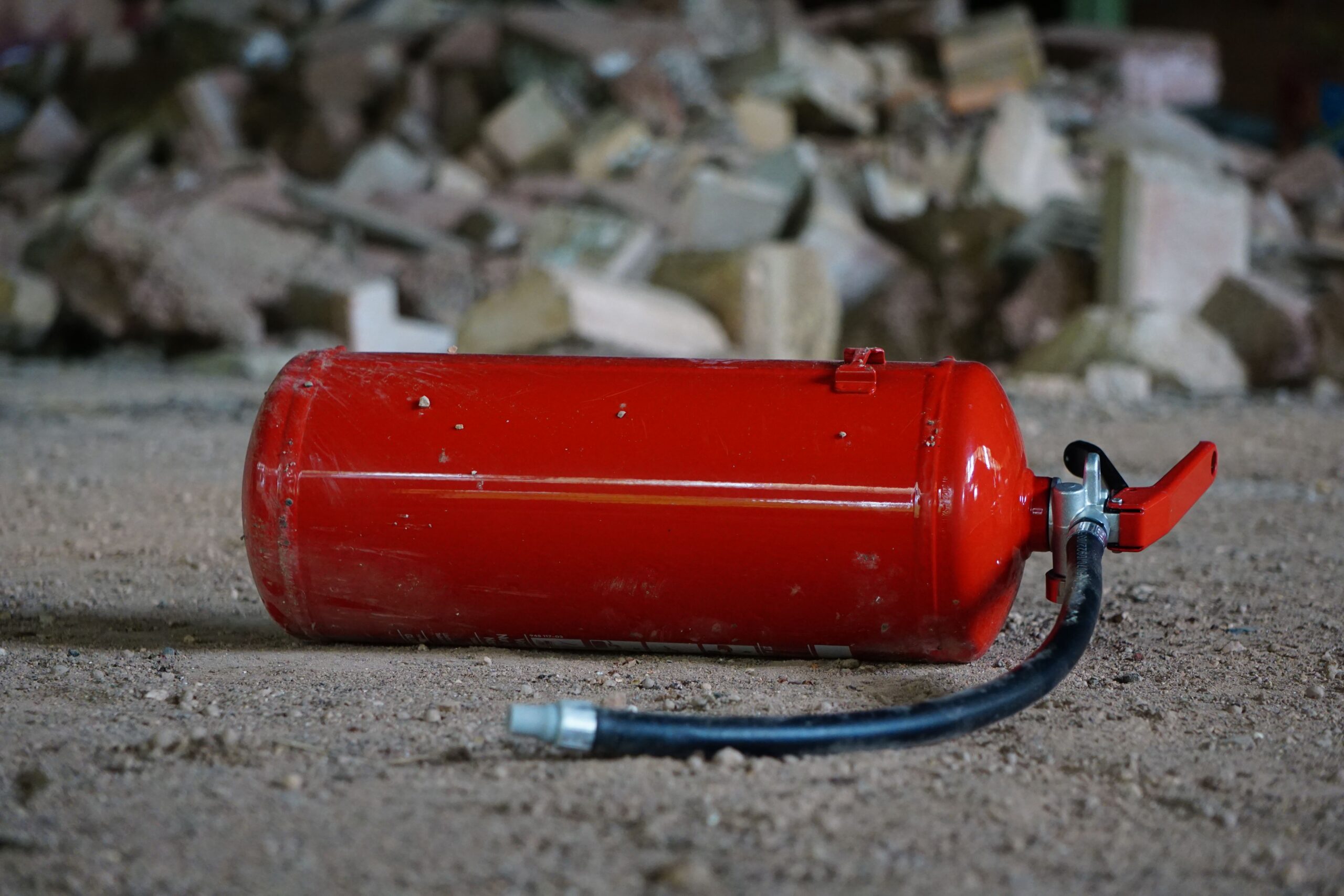
So, What Actually Happens Inside a Fire Extinguisher?
Think of a fire extinguisher like a pressurised container. Inside, there’s an extinguishing agent and a propellant that forces it out when you press the handle.
The moment you squeeze it, pressure is released. And once that pressure drops, it doesn’t just magically build back up again. Even if the extinguisher still feels heavy, it might not have enough force left to put out another fire effectively.
That’s the key reason why a fire extinguisher can’t simply be “saved for later.”
Why It’s Not Safe to Reuse Fire Extinguishers
A lot of people assume they can use a little now and keep the rest for later. Unfortunately, that’s not how it works in real situations.
Here’s why:
Pressure drops immediately
Once used, the internal pressure reduces, which affects performance.You can’t see what’s happening inside
From the outside, everything may look fine, but the internal system may already be compromised.Valves may not seal perfectly again
This can lead to slow leakage over time.It might fail when you need it most
And that’s a risk no one should take during a fire emergency.
So even if it feels like “there’s still something left,” it’s better not to rely on it.
“But I Only Used It for a Few Seconds…”
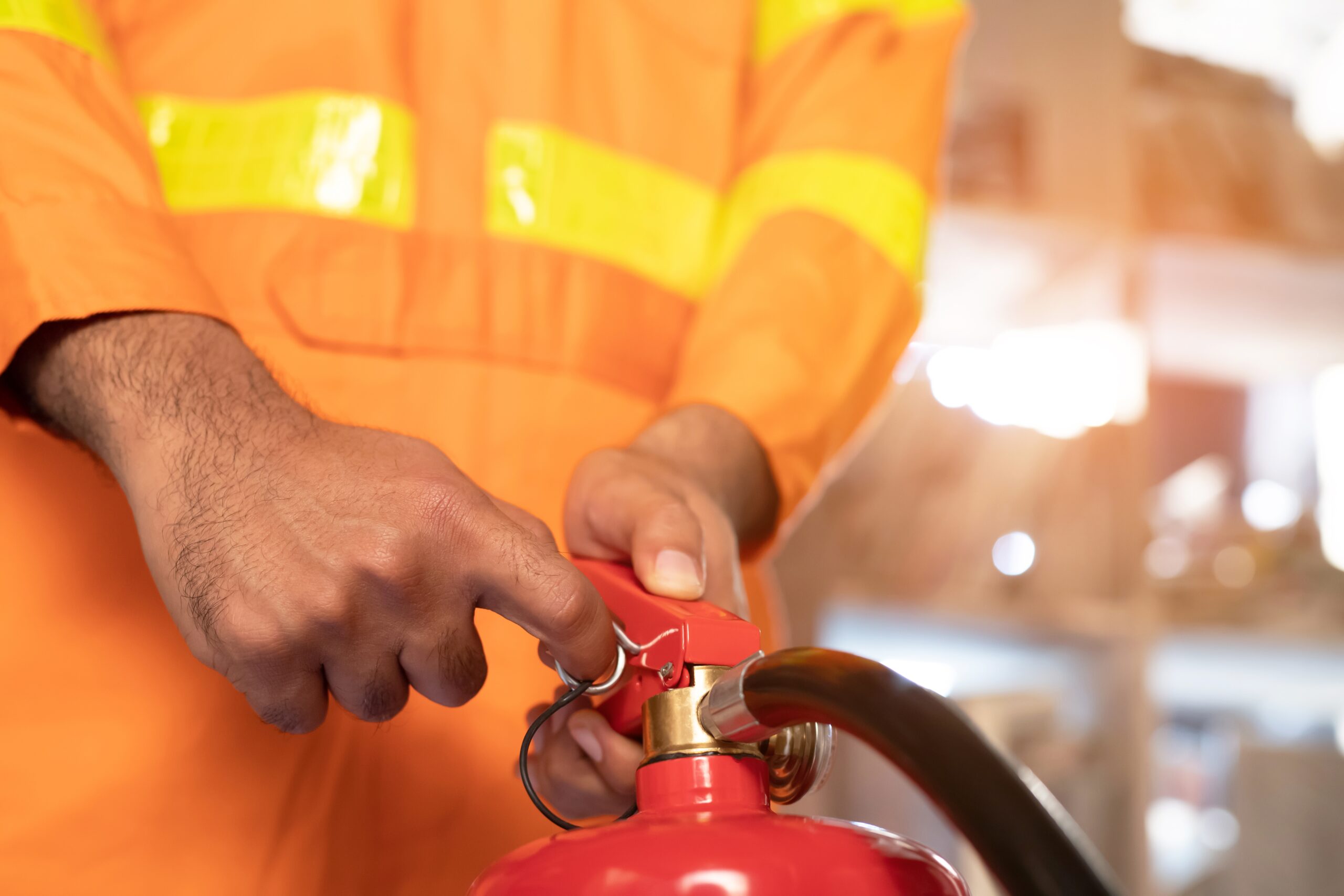
This is probably the most common reaction.
Even a short burst can affect the balance inside the extinguisher. The pressure system is designed for controlled discharge, not repeated stop-and-start usage.
In real emergencies, reliability matters more than saving a half-used unit. That’s why safety guidelines are quite strict about servicing or replacing it after use.
What Should You Do After Using a Fire Extinguisher?
Once you’ve used a fire extinguisher, even briefly — it’s time to take action.
Here’s what should be done:
Get it checked by a professional
Refill or recharge it if it’s reusable
Replace it if it’s a disposable type
Make sure you still have other working units nearby
Check that your fire alarm system is functioning properly
It might feel like extra effort, but it ensures you’re not left unprepared next time.
Quick Overview: What Happens After Use
Situation | What It Means | What You Should Do |
Fully used | No pressure left | Replace or refill |
Partially used | Not reliable | Service immediately |
Pressure dropped | Weak discharge | Replace |
Looks fine outside | Might still fail | Get it inspected |
Recently serviced | Safe if unused | Continue regular checks |
Fire Extinguishers Are Just One Piece of the Puzzle
It’s also important to remember that fire extinguishers aren’t meant to handle everything on their own.
A proper safety setup usually includes:
A fire alarm system for early warning
A fire sprinkler system to control spreading flames
Special systems like FM200 for sensitive environments
And of course, portable extinguishers for quick response
When all these elements work together, your overall fire protection becomes much stronger.
Common Misunderstandings People Have
Over time, we’ve noticed a few patterns in how people think about fire extinguishers:
“It’s still heavy, so it must work”
Weight doesn’t equal pressure.“I didn’t use much, so it’s fine”
Even a short use can affect performance.“I’ll deal with it later”
Delaying action can leave you unprotected.“It’s just backup equipment”
In many cases, it’s your first line of defence.
Clearing up these misconceptions can make a big difference in real emergencies.
When Is It Better to Replace Instead of Refill?
Sometimes, replacing makes more sense than servicing.
For example:
If the unit is old
If there’s visible rust or damage
If it no longer meets safety standards
If servicing costs are close to replacement
Making the right call here helps maintain reliable fire protection without unnecessary risk.
Why Regular Maintenance Matters More Than You Think
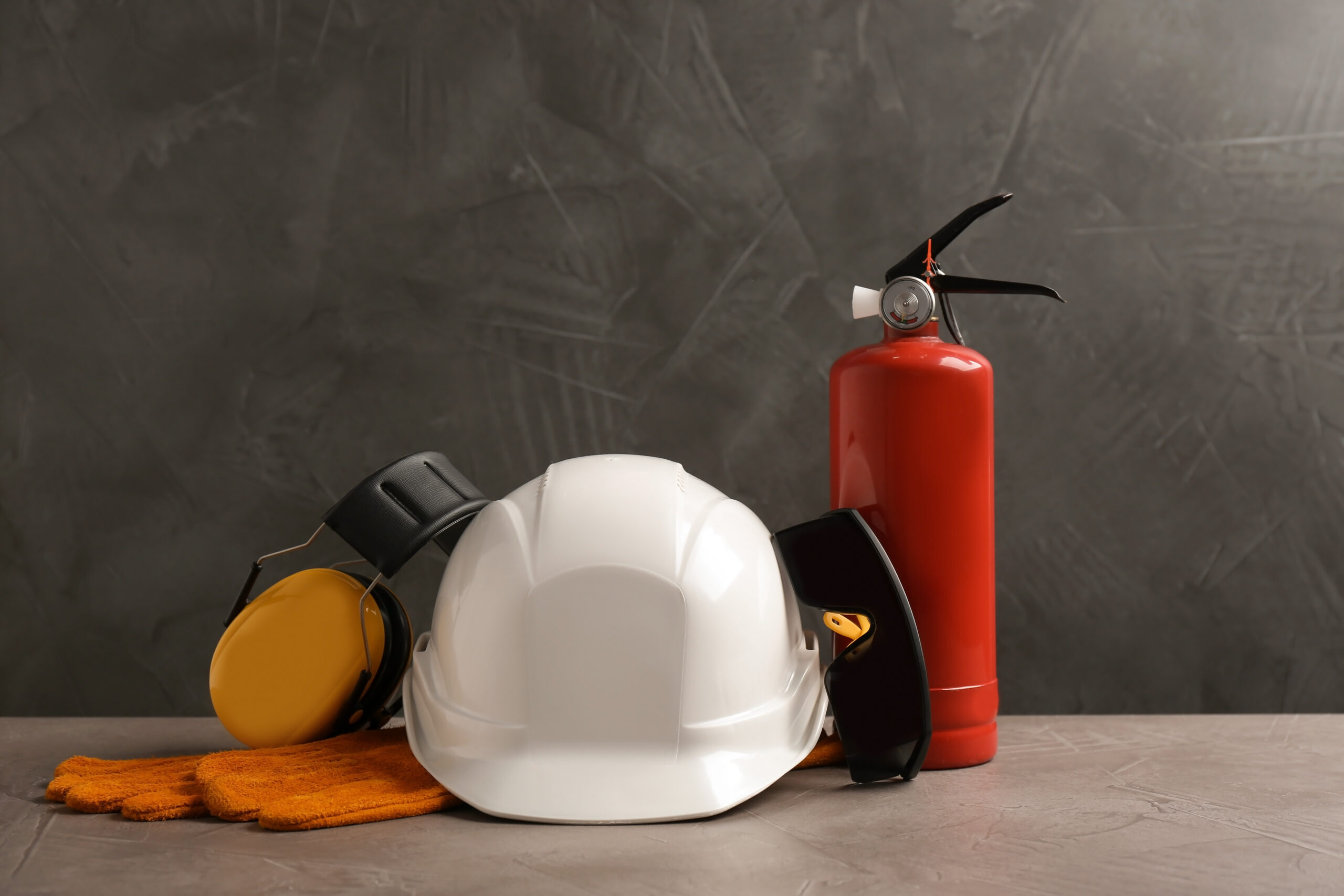
A fire extinguisher sitting untouched for years is not something you want to depend on.
Simple checks can go a long way:
Look at the pressure gauge
Check for physical damage
Make sure it’s easy to access
Review the last service date
These small habits can prevent major problems later.
Conclusion
A fire extinguisher might seem like a simple tool, but relying on it without proper care can be risky. The reality is, once it’s used, it should never be assumed to work again without inspection or servicing. Understanding how it functions and taking the right steps after use can make all the difference in an emergency.
For those in Singapore, Firetronics offers professional support to keep fire extinguishers in proper working condition, along with complete solutions including fire alarm system setups, fire sprinkler system installations, and FM200 systems. With the right expertise and regular maintenance, it becomes much easier to stay prepared and protected at all times.
Frequently Asked Questions
1. Can I use a fire extinguisher more than once?
Not safely without servicing. Once used, it should be inspected or refilled before relying on it again.
2. Why does it stop working after partial use?
Because the internal pressure drops, which affects how the agent is discharged.
3. Is it dangerous to keep a used extinguisher?
Yes, because it may fail when needed, giving a false sense of safety.
4. How quickly should I service it after use?
As soon as possible. It’s best not to delay.
5. Do all extinguishers need replacement after use?
Not all, but they all need inspection. Some can be refilled, while others must be replaced.


Comments
Post a Comment