Keep Your Property Safe with Fire Alarm Maintenance
Most people only notice their alarm system when it suddenly starts beeping, flashing, or causing problems. Until then, it is usually forgotten about. The thing is, safety systems are a bit like air conditioning units or cars. They still need regular attention even when they seem to be working fine. Over time, sensors collect dust, batteries weaken, and small faults quietly build up in the background. That is exactly why Alarm Maintenance matters. A properly maintained system is more likely to respond quickly during an emergency, while a neglected one may fail at the worst possible moment. Regular checks help keep both buildings and the people inside them safer.
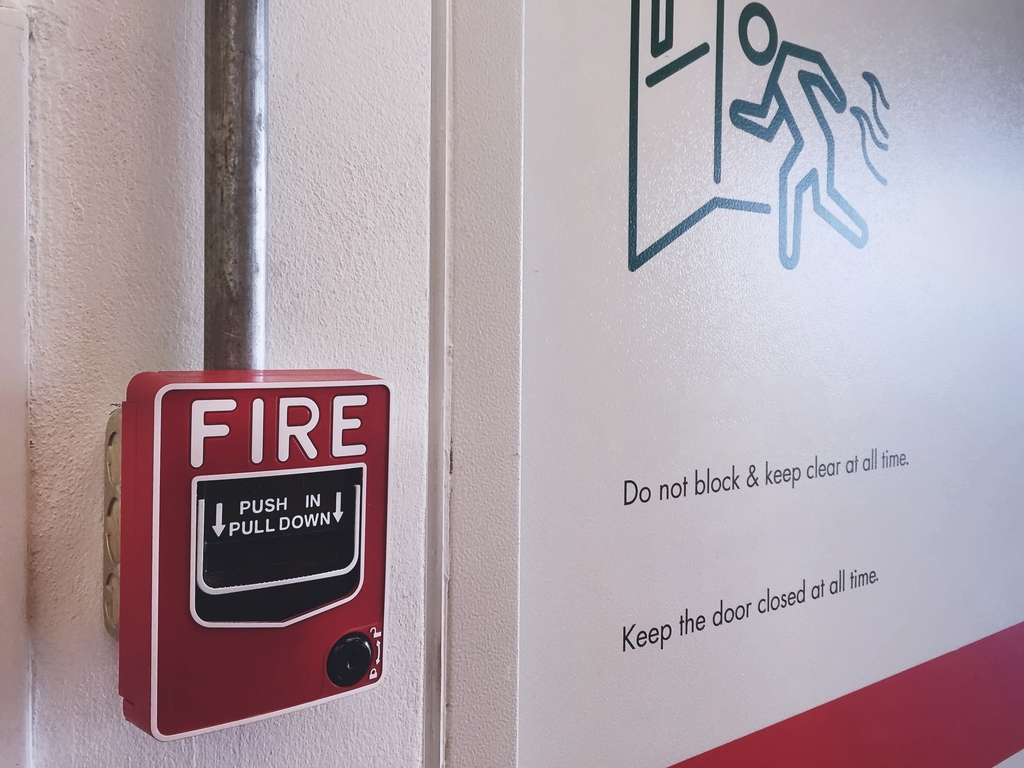
It Is Easy to Forget About Safety Systems
Most building owners are busy dealing with day to day operations.
So as long as the alarm system is quiet, it usually gets pushed to the back of the mind. No warning sounds? No flashing faults? Everything must be okay.
But that is not always true.
A lot of alarm related issues develop slowly. You do not usually wake up one morning to a completely broken system. Instead, it happens little by little. A detector becomes less sensitive. A battery weakens. A wire connection loosens.
Without proper Fire Alarm Maintenance, those small problems often stay unnoticed for months.
What Maintenance Actually Involves
Some people assume maintenance is just someone pressing a test button and leaving after ten minutes.
A proper inspection is usually much more detailed than that.
Technicians normally check things like:
Detector sensitivity
Alarm response time
Wiring condition
Battery backup performance
Communication between devices
Overall system health
It is really about making sure the whole setup still works the way it should.
Small Problems Have a Habit of Growing
One interesting thing about alarm systems is how small faults tend to become bigger ones over time.
For example, a little dust inside a detector might only cause occasional issues at first. Later on, it could lead to repeated false alarms or delayed detection.
The same goes for old batteries or worn parts.
Here are a few common problems technicians often find:
Issue Found | What It Can Lead To |
Dust inside sensors | Random false alarms |
Weak batteries | Failure during power outage |
Loose wiring | Delayed alerts |
Old components | Unreliable performance |
Poor servicing history | Hidden system faults |
Most of these issues are manageable when caught early.
False Alarms Usually Mean Something Is Wrong
People often treat false alarms like a minor annoyance.
But repeated false alarms are usually the system’s way of telling you something needs attention.
After a while, occupants stop reacting seriously. Staff become frustrated. Tenants get used to interruptions.
And honestly, that is risky.
Because if people stop taking alarms seriously, response times during a real emergency can become slower too.
Regular Alarm Maintenance helps reduce those unnecessary disruptions and keeps systems dependable.
Older Systems Need Extra Attention
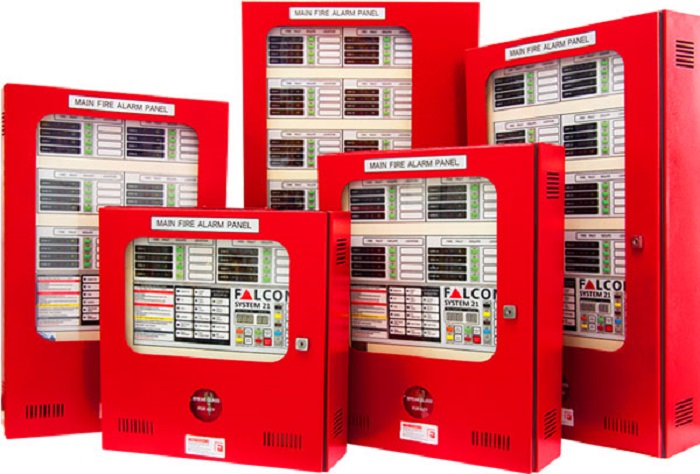
This is especially common in older buildings around Singapore.
A system that was installed years ago may still function, but technology has changed a lot since then. Modern systems are faster, more accurate, and generally easier to manage.
Older fire alarm system setups may struggle with:
Sensor reliability
Communication between devices
Faster response requirements
Wear from long term use
That does not always mean full replacement is necessary. Sometimes proper servicing and a few upgrades are enough to improve performance significantly.
Fire Safety Works Best When Everything Connects Properly
A building’s safety setup is not just one device sitting on the wall.
Usually, several systems are working together behind the scenes.
For example:
Detection systems identify warning signs
The alarm system alerts people inside the building
Fire suppression systems help control the spread of fire
A fire extinguisher provides immediate response support
When one part is not maintained properly, the entire safety chain becomes weaker.
Simple Habits That Make a Difference
Not every part of safety maintenance has to feel technical or complicated.
There are a few simple habits property owners can follow:
Keep detectors free from heavy dust buildup
Pay attention to warning lights or unusual sounds
Do not delay scheduled servicing
Replace worn equipment when advised
Keep maintenance records updated
These small things often prevent larger issues later.
Delaying Maintenance Usually Costs More Later
A lot of people postpone maintenance because the system still “mostly works.”
But that approach can backfire.
Minor faults rarely stay minor forever. A simple repair today can become a much more expensive issue later if ignored.
And the bigger concern is reliability. Nobody wants to find out a system is not responding properly during an actual emergency.
That is why consistent Fire Alarm Maintenance matters. It helps reduce surprises.
Why Reliable Systems Matter in Modern Buildings
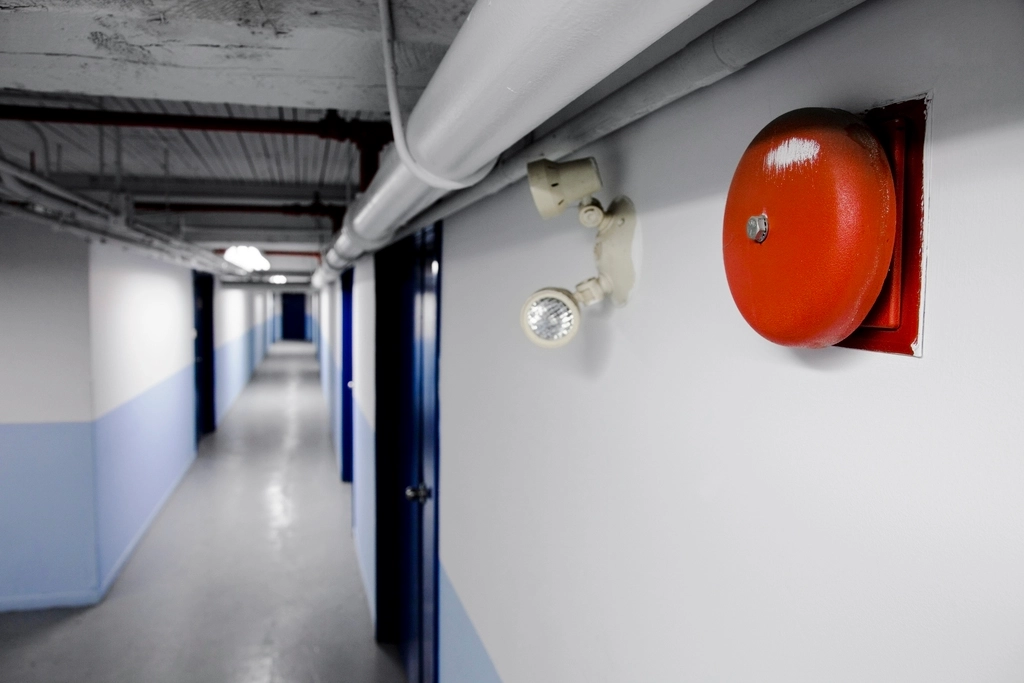
Buildings today are busier and more connected than ever.
Commercial spaces, offices, retail units, and residential developments all rely heavily on dependable safety systems.
People expect alarms to work immediately and correctly. There is very little room for delays or faults anymore.
Regular servicing helps keep systems reliable instead of leaving performance to chance.
Conclusion
Most people do not think about alarm systems until something goes wrong. That is pretty normal. If the system stays quiet, it is easy to assume everything is fine. But safety equipment ages quietly in the background, and small faults can easily go unnoticed for a long time. Regular Alarm Maintenance gives property owners a chance to spot those issues early instead of dealing with bigger problems later. For businesses and buildings across Singapore, Firetronics helps keep systems checked, serviced, and running properly through practical Fire Alarm Maintenance support that focuses on reliability, safety, and long term performance.
FAQs
1. My alarm system has not caused any issues so far. Do I still need maintenance?
Probably yes. A lot of system problems stay hidden for quite a while before anyone notices them. Regular checks help catch those issues earlier.
2. What is one of the most common reasons alarms start acting strangely?
Dust is actually a big one. Over time it can collect inside detectors and trigger random alarms or affect sensitivity.
3. Can old batteries really affect the whole system?
They can. Backup batteries are there for emergencies, especially during power failures. If they weaken, the system may not respond properly when needed.
4. Is it normal for older systems to need more repairs?
Usually, yes. Just like most equipment, alarm systems wear down with age. Some parts become less reliable after years of constant use.
5. Why do some businesses keep delaying maintenance?
Mostly because the system still seems to be working. But that is often when hidden faults continue building quietly in the background.


Comments
Post a Comment